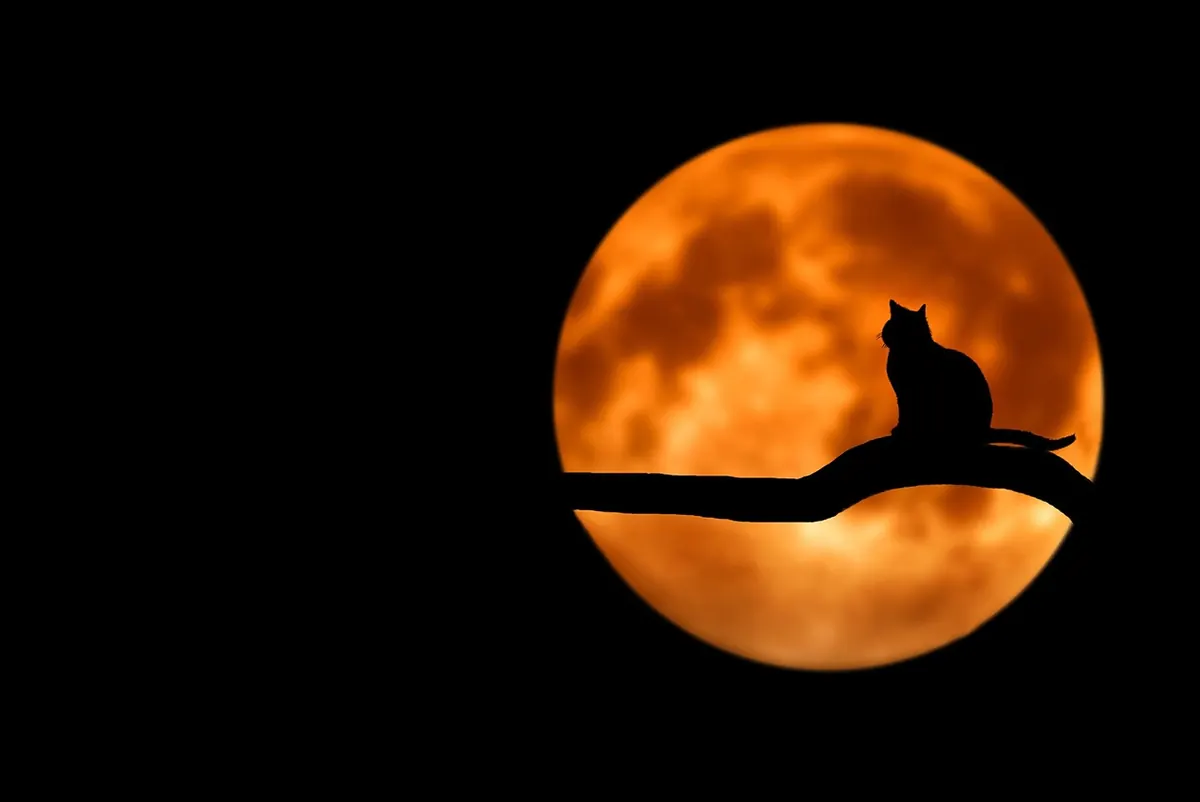
Moon Poem Revision Checklist: 12 Questions Before You Share a Draft
Moon Poem Revision Checklist: 12 Questions Before You Share a Draft
Moon poems arrive quickly. A bright night, a window, one line about silver light, and suddenly there is a draft. That speed is useful; it catches the feeling before it evaporates. But speed also lets in inherited language—the lonely moon, the silver coin, the distant lover, the wolf at the edge of the field, the tide pulled by something larger than the speaker. None of those images are wrong. They are simply well used. Revision is where you find out whether they are yours.
A moon poem does not need to be strange to be good. It needs to be accurate to the night it is trying to hold. Before you send a draft to a friend, a workshop, or an editor, give it one more pass. The questions below are not a test to pass. They are a flashlight. Point them at the poem, see what is actually there, and keep what glows.
What a Moon Poem Is Up Against
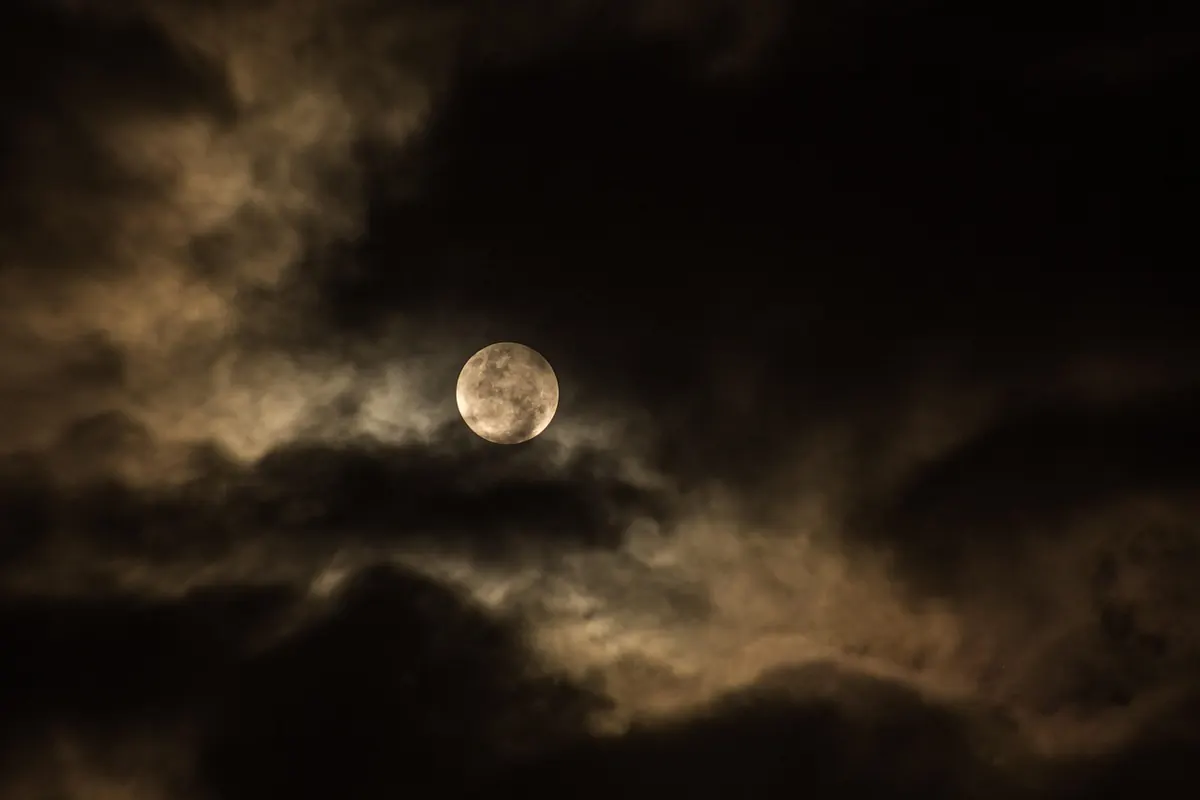
The moon is public property. It belongs to songs, greeting cards, horror films, love letters, and every poet who has ever looked up. That is part of its power, and part of its danger. A reader comes to your moon poem carrying hundreds of other moons. If your poem says only that the moon is lonely, distant, cold, or beautiful, the reader may nod and move on. They have been there before.
That does not mean you need to avoid the moon. It means you need to make the moon specific to this poem. Is it a moon over a parking lot, a hospital window, a late bus, a kitchen sink full of dishes? Is it a moon the speaker trusts, argues with, ignores, or mistakes for something else? The more particular the situation, the less the poem depends on inherited atmosphere.
If the poem would survive replacing the moon with a streetlamp, the moon may not be doing enough work yet.
Use that as a diagnostic, not a rule. Some poems deliberately lean on the moon as a shared symbol. That can work if the poem knows it is leaning and does something interesting with the weight.
How to Use This Checklist
Do not answer all twelve questions in one anxious sitting. Read the draft once for pleasure. Then read it again with a pencil or a cursor. Work in passes: one pass for images, one for sound, one for the ending. Leave the draft overnight if you can. A moon poem written at midnight often needs to be read at breakfast.
Not every question will apply. A very short lyric may not need a dramatic turn. A narrative poem may need more clarity than a fragment. The goal is not to make the poem explain itself. The goal is to make sure the poem is choosing its effects rather than inheriting them.
The 12 Questions
- Is the moon doing real work, or is it set dressing? A moon can establish mood, mark time, reveal the speaker's attention, or create a strange relationship between earth and sky. But if the poem would be the same without it, the moon may be decoration. Ask what changes because the moon is there.
- Which images are inherited, and which are yours? Underline every phrase that feels familiar: silver light, pale face, lonely orb, borrowed glow, cosmic silence. Some may still earn their place. Others may be placeholders. Replace one inherited image with something you actually saw. Not a “creative” image—an accurate one.
- Is the poem specific enough to belong to this speaker on this night? “The moon hung in the sky” could happen anywhere. “The moon caught in the chain-link fence above the laundromat” belongs to a place. Specificity does not have to be exotic. It has to be seen.
- Does the poem earn its emotional conclusion, or does it just get quiet? Many drafts end by trailing off into silence and hoping the reader feels something. Silence can be powerful, but it must be prepared for. If the last line says “and I was alone,” ask whether the poem has shown that aloneness or simply announced it.
- Are you using the moon as a shortcut for loneliness, love, or memory? The moon can carry those feelings, but it cannot do all the work by itself. Give the reader a detail from the actual night: a text unanswered, a cup going cold, a dog barking in another yard. Let the moon share the load.
- Where does the poem rely on adjectives instead of verbs and nouns? “Soft,” “gentle,” “mysterious,” “luminous” can blur the poem. Try replacing an adjective with an action. Instead of “the gentle moon,” show what the moon does to a window, a face, a puddle, or a sleepless speaker.
- Does the poem have a turn, or does it remain in one register? A turn can be a change in thought, address, image, or scale. The speaker might begin by admiring the moon and end by realizing they have been avoiding a phone call. Without a turn, a short poem can feel like one long exhale.
- Is the speaker's relationship to the moon clear? Are they speaking to it, about it, or past it? Is it a companion, a witness, a nuisance, a clock? The poem does not need to answer directly, but the reader should feel a consistent stance.
- Does the poem sound like a person speaking, or like a greeting card? Read the lines aloud. If a phrase could appear on a poster above a inspirational quote, test it. It may still be sincere, but sincerity is not the same as freshness. Push the language toward the particular voice of the speaker.
- Are the line breaks and white space doing something? In a moon poem, line breaks can create pause, suspense, or isolation. A word left alone on a line gains weight. Make sure the breaks are choices, not accidents. Read the poem with the lines as written, then read it as prose. What changes?
- Have you read it aloud, and where did your voice stumble? The mouth often finds what the eye misses. If you trip over a phrase, the reader may too. If you rush to the end, the ending may need more space. If you hear yourself performing rather than speaking, revise toward the speaking voice.
- What do you want a reader to notice first, and does the draft make that possible? Before you share, decide what the poem's center is: an image, a confession, a strange comparison, a silence. Then check whether the opening and the ending point toward that center without explaining it away.
A Sample Revision Pass
Here is a draft line that is not bad, but is still mostly inherited:
The lonely moon hangs in the sky like a silver coin.
The image is clear, but it has been used many times. A revision might make the moon belong to a specific place and a specific way of seeing:
The moon clears the laundromat roof and keeps going, a pale receipt in the window.
The revised line is not automatically better. It is more particular, and it asks the moon to do something in a world. If the original coin image is central to the poem's argument, keep it and make it earn its familiarity. The checklist is not anti-simile. It is anti-automatic.
A second pass might focus on sound. Read the revised line aloud. “Clears,” “laundromat,” “roof,” “receipt,” and “window” create a different texture from “lonely,” “hangs,” and “silver coin.” The poem may want that texture, or it may want something smoother. The point is to hear the choice.
Before You Share: Ask Better Questions
When you send the draft to a reader, do not ask only, “Do you like it?” That question invites politeness. Ask instead: “Where did you get lost?” “What did you think the moon was doing?” “Which line felt borrowed?” “What did you expect the ending to do?” These questions give you useful information without turning the reader into a judge.
Do not explain the poem before they read it. If the poem needs a preface, that is a revision note, not a sharing note. Keep an earlier version. You may discover that the line you cut was the poem's real engine. Revision is not a straight line; it is a series of returns.
Finally, remember why you wrote the poem in the first place. The moon was bright. The window was there. One line arrived before you could explain it. The checklist is not meant to scare that first impulse away. It is meant to make sure the finished poem still contains the night that started it.
Photo: congerdesign / Pixabay